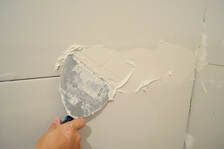
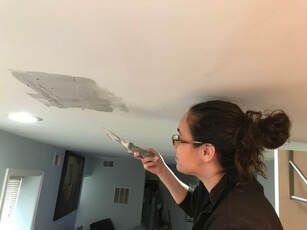
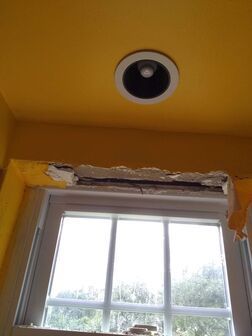
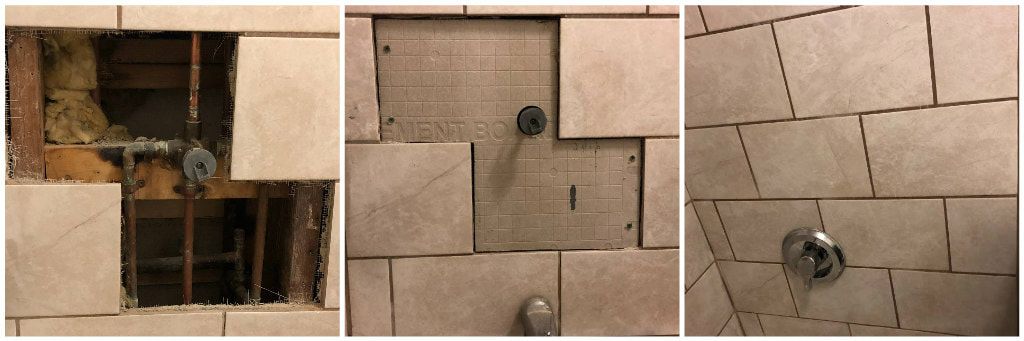
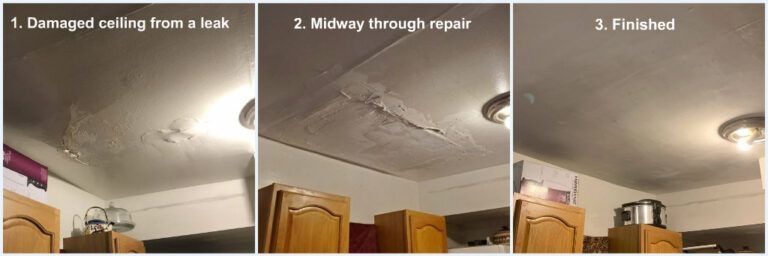
Let’s start with some basic
drywall skills.
Working with drywall gets easier the more you learn and practice. I recommend checking out
Home Depot and
Lowe’s websites, which have sections focusing on Do-It-Yourself skills. You’ll find short videos and guides for home repair and maintenance. Start with the drywall repair section. I’m always on the lookout for tricks, tips, and new ideas to improve my drywall skills. I guarantee you’ll learn something, whether you’re a beginner or an old hand at drywall repair!
VIDEO LINKS:
The videos linked below have tips and techniques that will really up your game. When you do pick up the drywall tools, you’ll be better prepared for a smooth and flawless drywall patch.
Home Depot:
How to Patch Drywall
Lowe’s:
How to Patch and Repair Drywall
Vancouver Carpenter:
Taping and Mudding 101
VOCABULARY:
Also take a moment to familiarize yourself with the jargon of drywall. Download my
Drywall Glossary with links to examples, so you will be in the know.
- “Mud” is the shorthand name for drywall taping compound or joint compound. It’s a gypsum-based paste used to finish drywall joints and corners in new drywall installations and for general repairs such as repairing cracks and holes in existing drywall and plaster surfaces. All are easy to sand with sandpaper or a wet sponge.
(Learn about different kinds of mud in the
Drywall Glossary.)
- Joint tape is used to repair seams and cracks. There are several choices: mesh and paper.
TIPS:
- YACHAD ALWAYS RECOMMENDS WET-SANDING FOR SAFETY.
- Avoid ‘spackle’ or other patching compounds. They are meant for very small holes, are difficult to apply, and are often hard to sand.
Now get to work and watch a few of the videos. Then, get out your tools and practice repairing the cracks, dings, and holes in your own house.
Post a photo of your work on Facebook, Twitter, or Instagram and tag us @yachaddc.