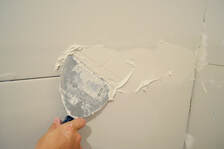
 by Robin Renner, Director of Construction Are dings and dents in your wall starting to stick out like a sore thumb? With the coronavirus keeping most of us homebound these days, you are probably noticing things around your house that need fixing. If you’ve got extra time on your hands, why not learn and practice some new skills and give simple repairs a go. I’m taking this time to start or complete projects around my own home, and I thought I could share some of my favorite links for DIY skills. Let’s start with some basic drywall skills. Working with drywall gets easier the more you learn and practice. I recommend checking out Home Depot and Lowe’s websites, which have sections focusing on Do-It-Yourself skills. You’ll find short videos and guides for home repair and maintenance. Start with the drywall repair section. I’m always on the lookout for tricks, tips, and new ideas to improve my drywall skills. I guarantee you’ll learn something, whether you’re a beginner or an old hand at drywall repair! VIDEO LINKS: The videos linked below have tips and techniques that will really up your game. When you do pick up the drywall tools, you’ll be better prepared for a smooth and flawless drywall patch. Home Depot: How to Patch Drywall Lowe’s: How to Patch and Repair Drywall Vancouver Carpenter: Taping and Mudding 101 VOCABULARY: Also take a moment to familiarize yourself with the jargon of drywall. Download my Drywall Glossary with links to examples, so you will be in the know.
TIPS:
Now get to work and watch a few of the videos. Then, get out your tools and practice repairing the cracks, dings, and holes in your own house. Post a photo of your work on Facebook, Twitter, or Instagram and tag us @yachaddc. 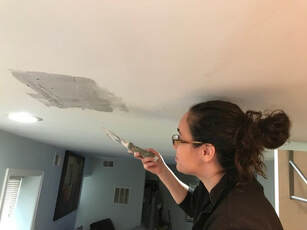 A HandyMensch volunteer repairs a damaged ceiling
Comments are closed.
|
Archives
May 2022
Categories |

 RSS Feed